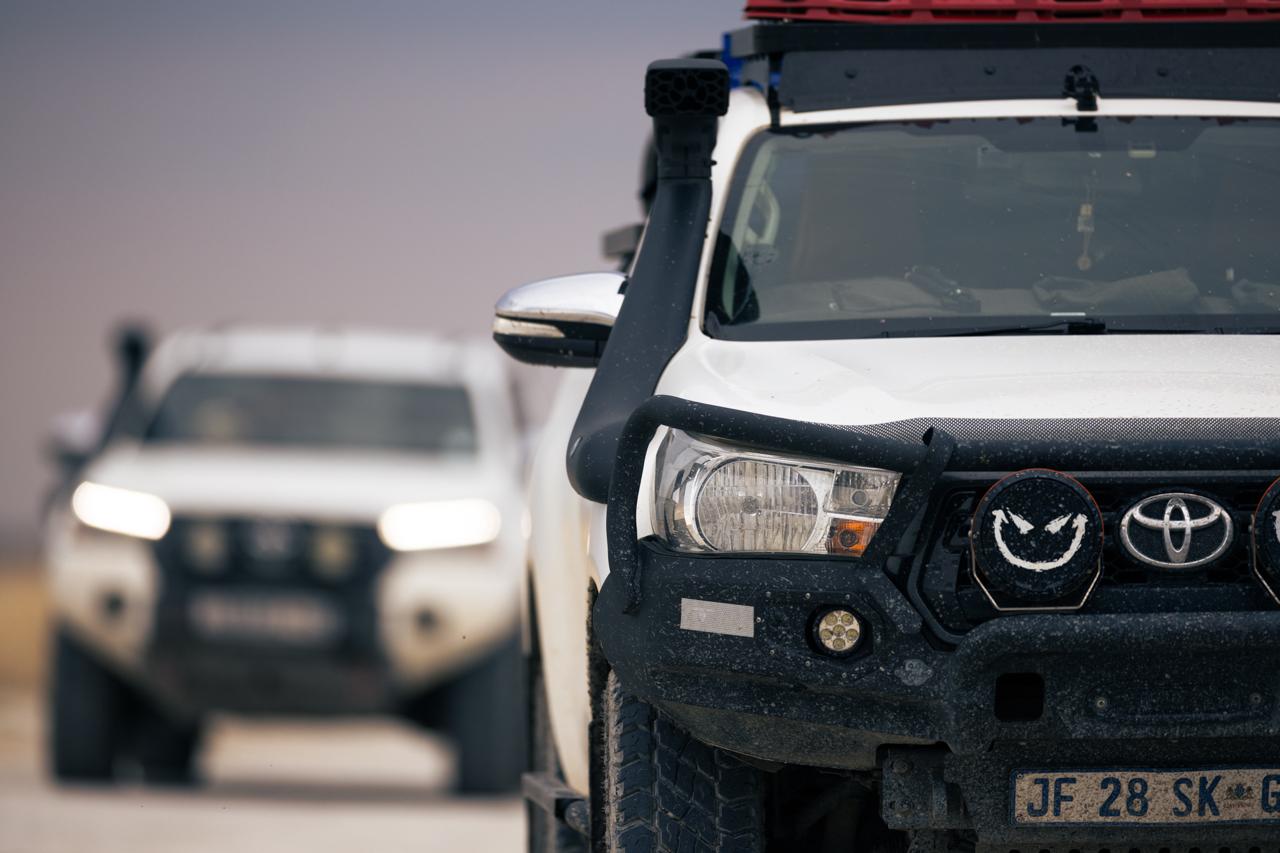
Overland vehicles prepared for a remote route

Practical information

Before you travel

This page intentionally avoids fixed fees and border requirements, because they change. Ikigai Tours provides final, itinerary-specific information before departure.

Do I need a 4x4?
For many signature wilderness routes in Botswana, the Kalahari, the Richtersveld and selected park trails, yes. Other itineraries can combine tar and good gravel roads with occasional high-clearance sections. The vehicle requirement should always match the exact route.
How remote are the trips?
Some sections are close to towns and established camps; others may involve long distances without fuel, shops or mobile signal. Remote travel is planned around fuel range, water, food, spare tyres, recovery equipment and realistic daily distances.
What is the accommodation style?
Depending on the journey: wilderness campsites, established park camps, private camps, guesthouses and lodges can all form part of an Ikigai route. The aim is to use the right level of comfort for the experience rather than one fixed formula.
What about border crossings?
Cross-border overlanding requires the correct personal, vehicle and insurance documentation. Requirements vary by nationality, vehicle ownership and route. Ikigai will confirm the current requirements in the pre-departure information for each trip.
Is overlanding only for experienced 4x4 drivers?
Not necessarily. Some routes are suitable for travellers new to overlanding, while others require confidence in sand, rough tracks and remote travel. Itineraries can be matched to group experience and supported with practical guidance.
How flexible are itineraries?
Weather, water levels, road conditions, wildlife movements and park management can all affect remote travel. Good overlanding keeps a strong plan while allowing enough flexibility to respond safely and make the most of changing conditions.

How we travel

Our responsible overlanding principles

Travel lightly

Stay on designated tracks, minimise unnecessary disturbance, manage waste responsibly and leave campsites as we found them.

Respect wildlife

Observe without crowding, feeding or altering animal behaviour. Wilderness encounters are most meaningful when the animals remain wild.

Use water and fire responsibly

Remote areas often have limited resources. Water use, firewood, campfires and waste disposal should follow local park rules and environmental conditions.

Support local

Where possible, use local guides, community initiatives, independent suppliers and locally owned tourism businesses so that travel value stays in the places visited.

Learn as we travel

Build interpretation into the journey: ecology, animal behaviour, conservation challenges, history, culture and the relationships between protected areas.

Protect the next journey

Conservation fees, responsible behaviour and traveller awareness all contribute to keeping these landscapes viable for wildlife, communities and future visitors.

Still have a question?

Tell us the route you have in mind and we will come back with the practical detail — vehicles, distances, seasons and what the paperwork looks like for your group.